March 18, 2026
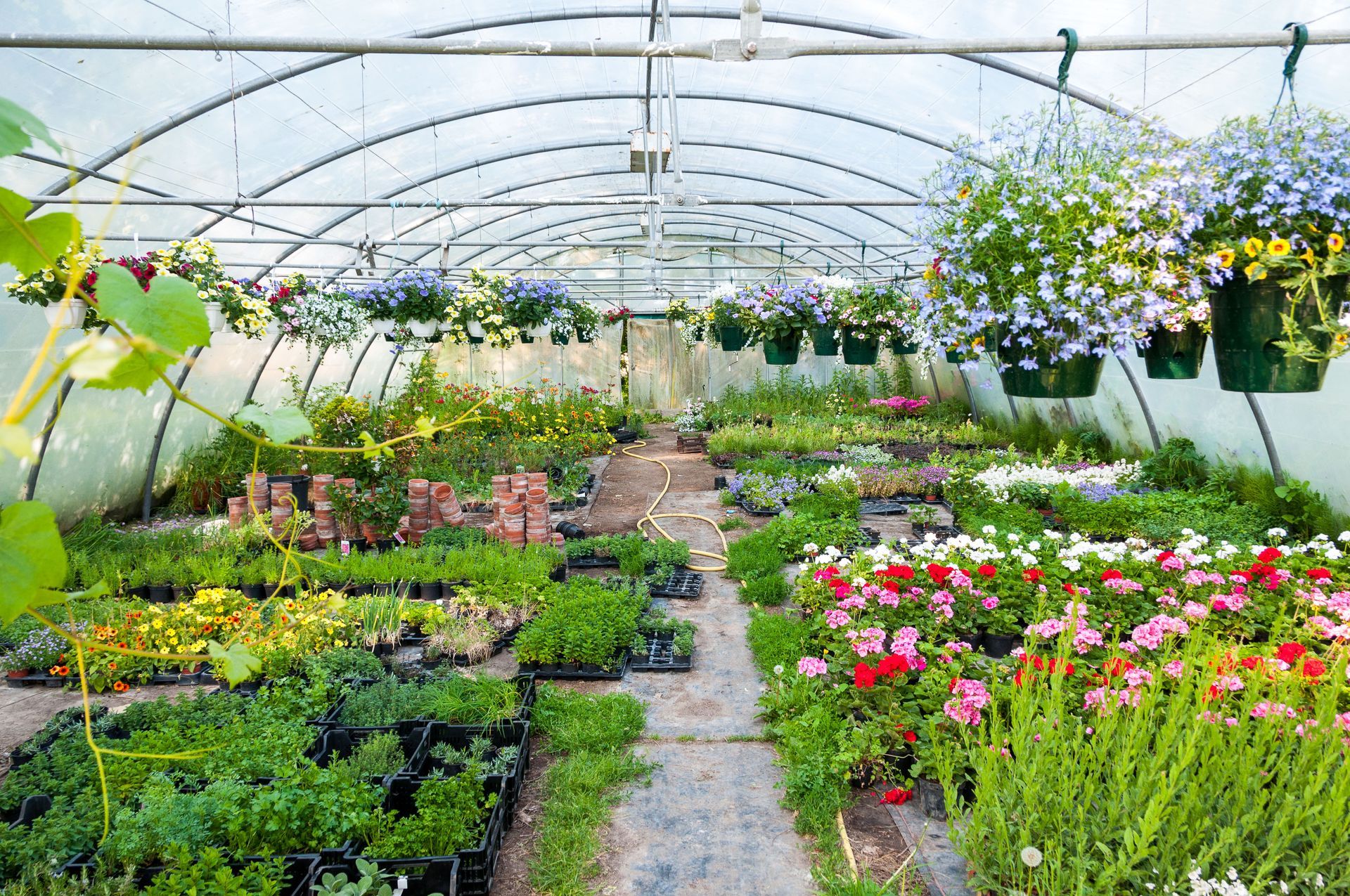
A greenhouse provides a controlled environment that protects plants from harsh weather, pests, and diseases, thus extending growing seasons. Whether you aim to grow fresh vegetables or flavorful herbs, selecting the right plants is crucial for sustainable greenhouse management. By choosing the right species and caring for them under optimal conditions, you can enjoy a lush and productive garden irrespective of the climate outside. Let's explore the best plants to cultivate in your greenhouse, taking advantage of year-round growing conditions to ensure fresh produce and beautiful blooms through every season.
1. Leafy Greens
Benefits of Growing Leafy Greens
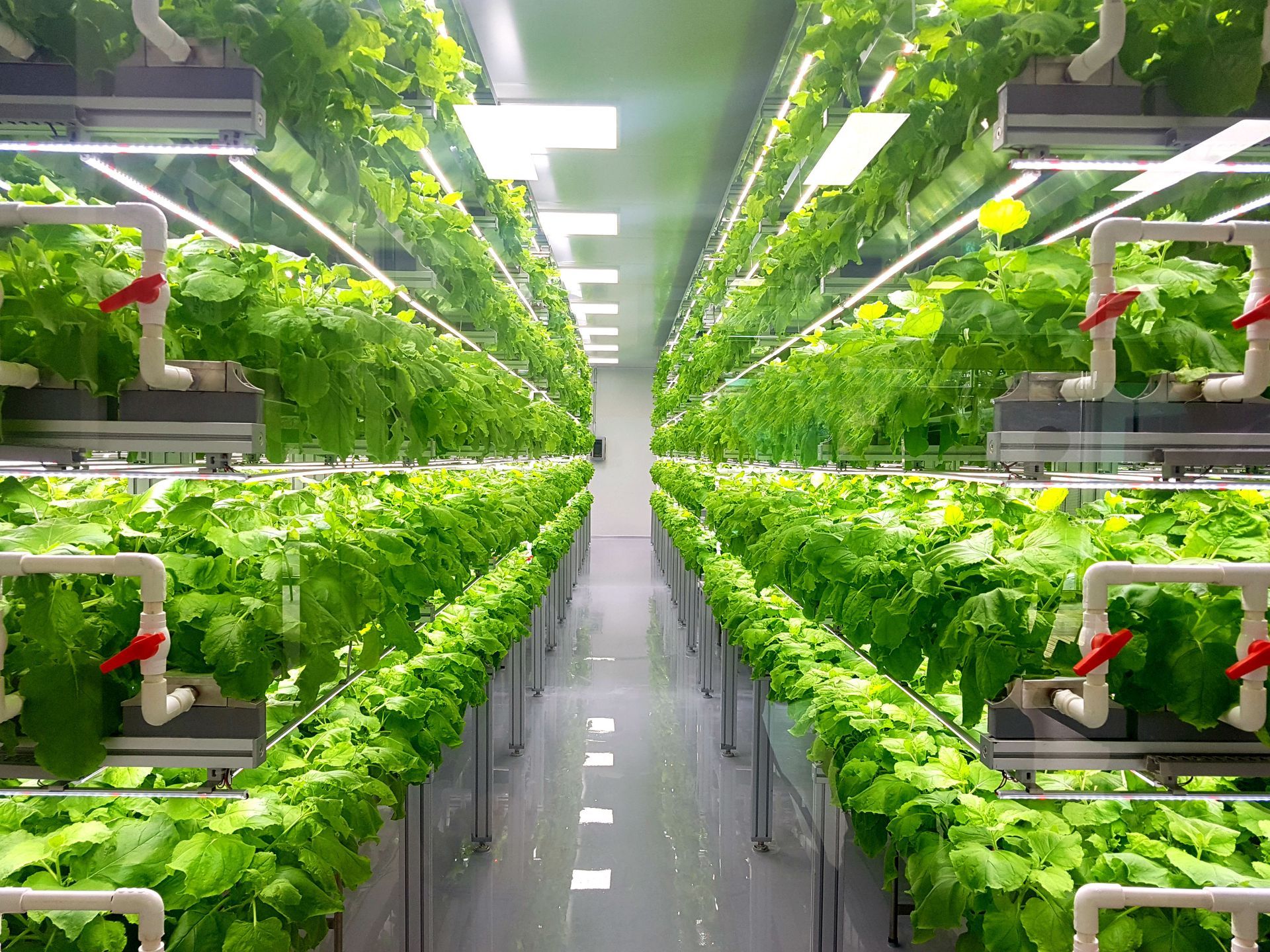
Leafy greens, such as lettuce, spinach, and kale, are not only nutritious but also one of the easiest plant groups to grow in a greenhouse. These plants are a rich source of essential vitamins, minerals, and antioxidants that contribute to a healthy diet. The convenience of having fresh leafy greens right at your fingertips encourages a diet rich in salads and smoothies. Moreover, leafy greens are known for their relatively short maturity span, allowing for multiple harvests throughout the year. By growing them in a greenhouse, you also reduce the risk of pest infestations and diseases that typically affect leafy crops grown outdoors.
Varieties to Consider
When choosing which leafy greens to grow in your greenhouse, it's crucial to select varieties that are suited to controlled environments. Lettuce thrives in greenhouse settings. Similarly, Swiss chard is another excellent choice, known for its colorful stems and high nutritional content. Spinach, offering both baby leaf and mature options, is versatile and favored by many gardeners. Choosing different varieties allows you to enjoy diverse flavors and textures, enriching your culinary experiences.
Optimal Growing Conditions
Leafy greens thrive in moderate temperatures with carefully managed humidity and light conditions. According to Today's Homeowner, the ideal relative humidity for most greenhouse plants is generally between 40% and 60%. Maintaining this level of humidity helps prevent common issues like mold and mildew while supporting healthy plant growth. Ensure that your greenhouse is equipped with proper ventilation systems to maintain optimal airflow. Use grow lights to supplement natural sunlight and extend daylight hours, boosting photosynthesis and growth.
Common Pests and Solutions
Even in greenhouses, pests can pose challenges to the growth and health of leafy greens. Common culprits include aphids, whiteflies, and spider mites, which can cause significant damage if left unchecked. Implementing integrated pest management strategies is an effective way to control pest infestations. Entice beneficial insects like ladybugs and lacewings into your greenhouse to keep pest populations in check. Additionally, employing insecticidal soaps or oils can serve as eco-friendly solutions to protect your crops without harming the environment.
2. Tomatoes
Choosing the Right Variety
Tomatoes are a staple in many gardens due to their versatile culinary uses and delicious flavor. When selecting tomato varieties for greenhouse cultivation, indeterminate types are often preferred due to their continuous growth and fruiting. Cherry tomatoes, for example, are prolific producers well-suited to greenhouse environments. Additionally, heirloom varieties can offer unique flavors and appearances, elevating your greenhouse offerings. Choose varieties based on your taste preferences, available space, and maintenance capabilities.
Soil and Nutrient Requirements
To produce healthy tomato plants with abundant fruit, focus on creating nutrient-rich soil with good drainage. Tomatoes thrive in slightly acidic soil with a pH ranging from 6.0 to 6.8. Enhance your greenhouse soil with organic matter such as compost or well-rotted manure to improve fertility and structure. Fertilize regularly with balanced fertilizers to ensure consistent nutrient availability. Elements like nitrogen, phosphorus, and potassium are vital. Achieving the right balance supports growth, root development, and fruit production.
Managing Light and Temperature
Tomatoes require plenty of sunlight and warmth, making greenhouses ideal environments for cultivating robust plants. Ensure that your tomatoes receive at least 8 hours of full-spectrum light each day to support photosynthesis. Control greenhouse temperatures within the range of 70-85°F during the day and slightly cooler at night. Utilize heating systems or insulating materials to maintain temperatures during colder months, promoting healthy growth year-round. Optimal temperature management aids in preventing stress-related issues and encourages high yields.
Pollination Techniques
For successful fruiting, tomatoes require effective pollination, which can sometimes be a challenge in indoor environments. Hand-pollination is a common technique involving gently vibrating the flowers to mimic the natural action of wind or insects. You can also introduce bumblebees into your greenhouse since they are efficient pollinators for tomato plants. This natural pollination enhances fruit set and size. Fine-tune pollination methods to suit the variety and environmental conditions for the best results.
Preventing Diseases and Disorders
The greenhouse environment can be conducive to the spread of diseases and physiological disorders if not properly managed. Common tomato diseases include early blight, which can devastate crops if uncontrolled. Regularly inspect plants for signs of disease, such as yellowing leaves or mold, to intervene early. Implementing crop rotation, maintaining hygiene, and using disease-resistant varieties are effective preventive measures. Employing biological controls and organic fungicides can also help manage disease presence sustainably.
3. Herbs
Top Herb Choices for Greenhouses
Greenhouses offer an excellent environment for cultivating a variety of herbs that thrive when shielded from the elements. Popular choices include basil, cilantro, parsley, and mint, each offering unique flavors and aromas to enhance culinary creations. Basil, known for its aromatic leaves, is a favorite for dishes like pesto and salads. Cilantro and parsley add zest and freshness to cuisines, while mint provides refreshing notes to beverages and desserts. Selecting diverse herbs complements your greenhouse garden and enriches your culinary palette.
Propagation Methods
Propagation is key to developing a lush and productive herb garden in your greenhouse. Many herbs can be propagated from seeds, cuttings, or divisions, depending on the species and your preferences. Seed propagation is ideal for basil and cilantro, allowing you to start herbs from scratch. Cuttings work well for mint and basil, providing quicker results for those eager to expand their collection. Divisions are suitable for perennials like chives, offering an easy method to rejuvenate and multiply plants annually.
Caring for Your Herbs
Ensuring your herbs receive proper care is vital for maintaining healthy and flavorful plants. Begin with well-draining soil enriched with organic matter to support root development and nutrient uptake. Maintain adequate moisture levels but avoid watering too much, as this can lead to root rot and plant stress. Regular pruning promotes bushier growth and extends the harvest period for a continuous herb supply.
Culinary and Medicinal Uses
Herbs are celebrated not only for their gastronomic value but also for their traditional medicinal properties. Basil is renowned for its antibacterial and anti-inflammatory effects, while mint serves as a digestive aid and breath freshener. Cilantro is often used in detoxification and adds vibrancy to savory dishes like curries and salsas. By incorporating a variety of herbs into your greenhouse, you enrich meals and access home remedies. The versatility of herbs ensures they remain a staple in both culinary arts and health regimes.
Extending Harvests
For year-round enjoyment of your greenhouse herbs, adopt strategies that maximize longevity and yield. Succession planting is an effective method, ensuring a steady harvest by sowing seeds at intervals. Implementing crop rotation prevents soil depletion and reduces the risk of pests and diseases. Staggering harvests by picking mature leaves while allowing others to grow supports a continuous supply. Regularly assess growing conditions and adjust light, temperature, and humidity as needed to sustain healthy herb production.
Expanding your horticultural ventures to include these versatile plants can ensure a productive and beautiful greenhouse year-round, bringing both vibrancy and nourishment straight to your door. By understanding the specific needs of leafy greens, tomatoes, and herbs, you can curate an ecosystem that supports a diverse and flourishing garden. Implementing tailored care practices and maintaining ideal conditions with the help of the experts at Wilcox Lawn & Landscaping boosts growth, yield, and plant health. Reach out to us today to learn more!