August 6, 2026
Modern horticulture increasingly relies on controlled growing environments to produce healthy plants efficiently and consistently. A greenhouse nursery provides growers with greater control over temperature, humidity, light, water, and pest exposure, creating conditions that can support reliable development throughout different stages of plant growth. Unlike outdoor cultivation, where weather can change unexpectedly, protected growing spaces allow producers to make precise adjustments based on the requirements of individual crops. This flexibility can improve plant quality while helping growers conserve valuable resources. The advantages of greenhouse production extend beyond individual plants. Controlled environments can support year-round cultivation, reduce losses caused by extreme weather, improve water management, and create opportunities to grow varieties that may struggle outdoors in a particular region. Technology has also made these facilities increasingly sophisticated, with sensors, automated ventilation, irrigation controls, and efficient lighting helping growers respond quickly to changing conditions.
Creating Consistent Growing Conditions
Temperature is one of the most important environmental factors affecting plant development. Outdoor crops are exposed to sudden cold snaps, heat waves, and daily temperature fluctuations that can interfere with growth. Greenhouses provide protection from these extremes and allow growers to maintain temperatures within suitable ranges. Heating, ventilation, fans, shade systems, and automated controls can all contribute to a more stable environment.
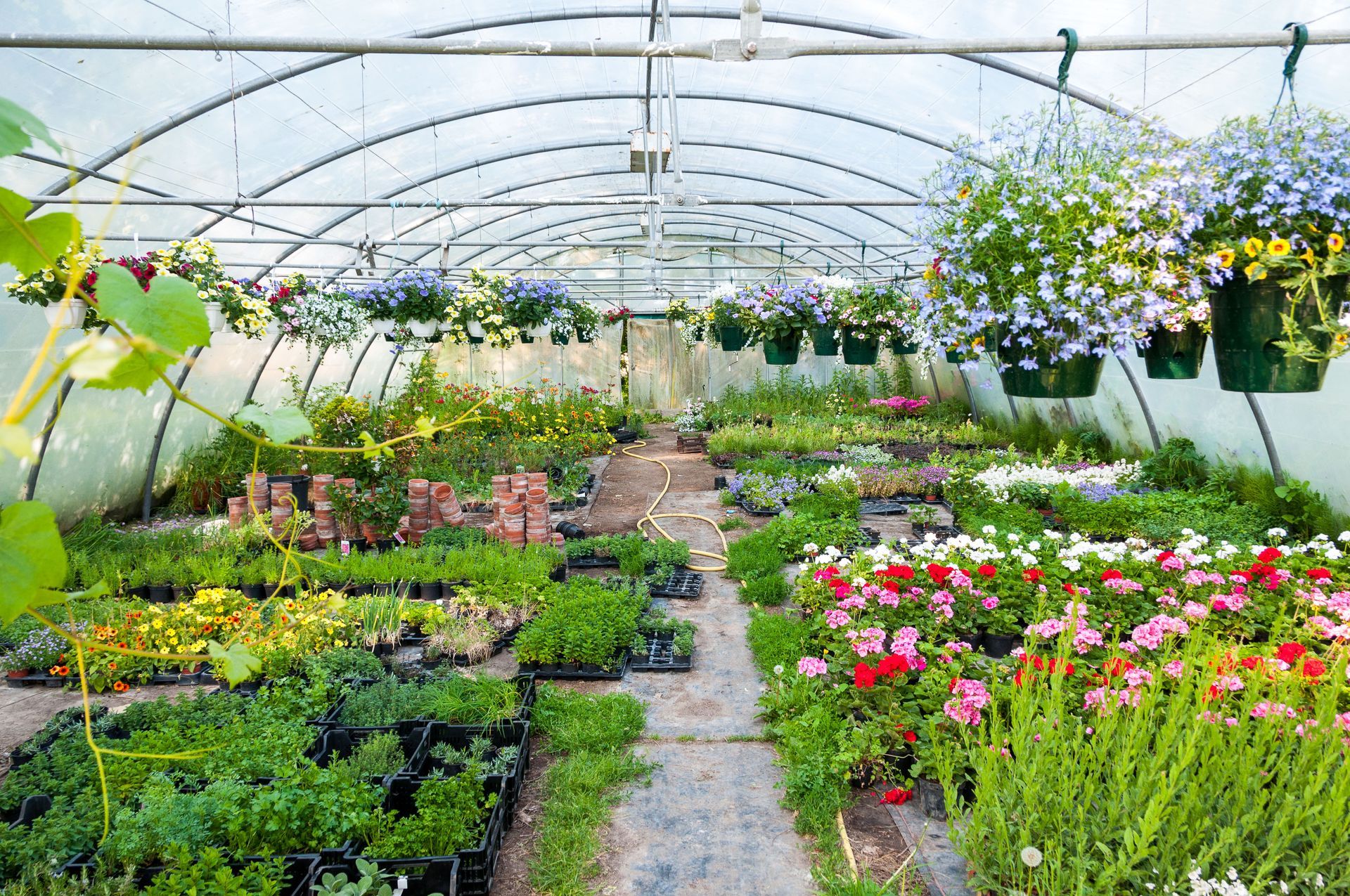
Temperature regulation also makes it possible to cultivate plants that would not normally thrive in the surrounding climate. Growers can establish microclimates suited to tropical plants, vegetables, flowers, herbs, seedlings, or other varieties with specific requirements. This capability expands production possibilities and can help businesses respond to changing consumer demand without being completely restricted by regional growing seasons.
Consistent conditions are particularly valuable during sensitive stages such as germination, rooting, and early plant development. Young plants may be vulnerable to dramatic environmental changes, so maintaining predictable temperatures can help encourage uniform growth. A greenhouse nursery can therefore provide an effective setting for developing plants before they are sold, transplanted, or moved into outdoor production areas.
Optimizing Light for Plant Development
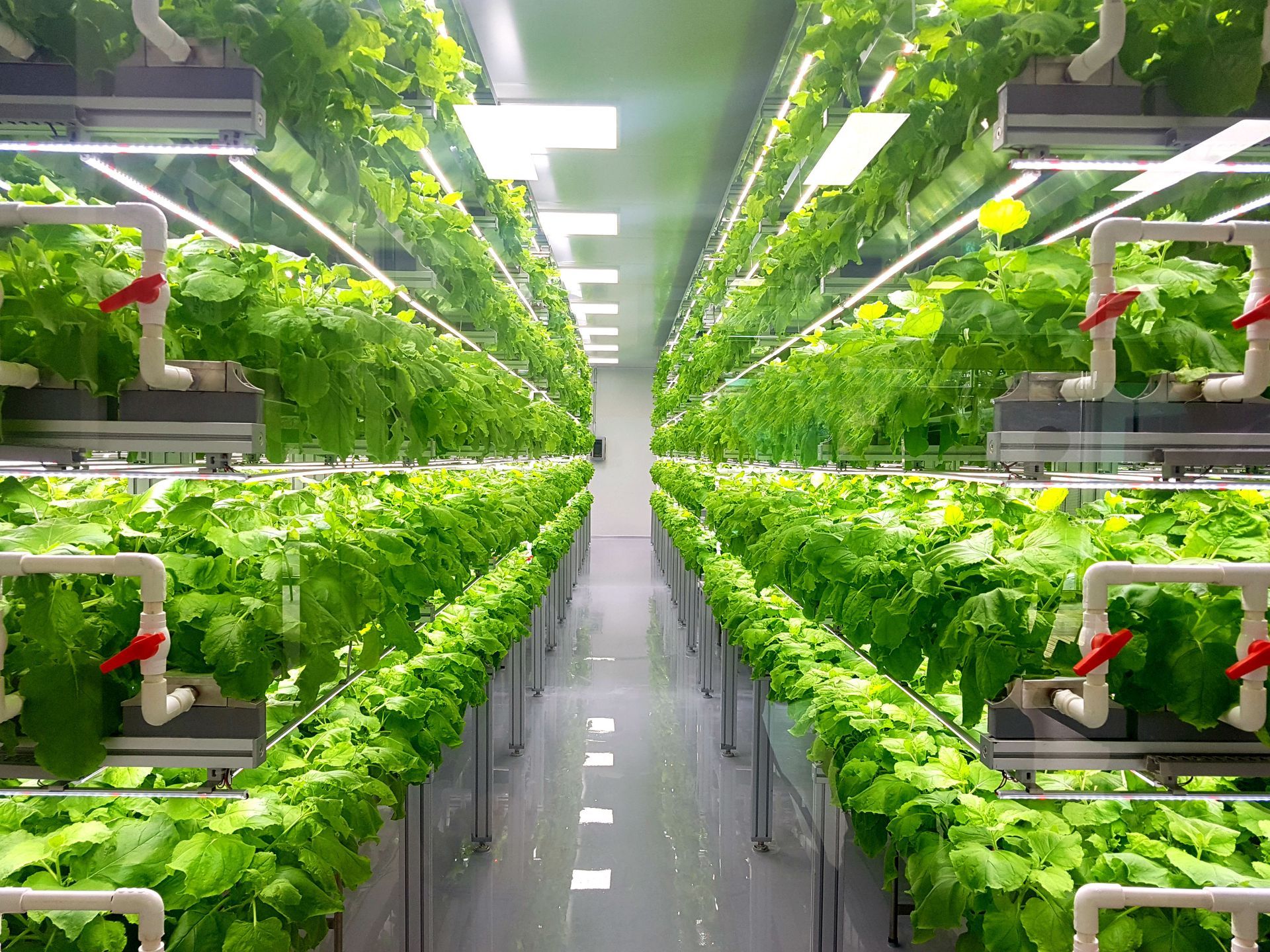
Light provides the energy plants need for photosynthesis, making it fundamental to healthy development. Transparent greenhouse coverings allow natural sunlight to reach plants while providing protection from many external conditions. Growers can also use shade materials when sunlight becomes excessive or supplemental lighting when natural daylight is insufficient.
Artificial lighting can extend usable growing hours during winter or periods of heavy cloud cover. Modern systems allow producers to manage light intensity and duration according to crop requirements. This control can support consistent growth, influence flowering schedules, and help growers prepare plants for particular selling periods. Efficient lighting technology can also help balance plant needs with operational energy use.
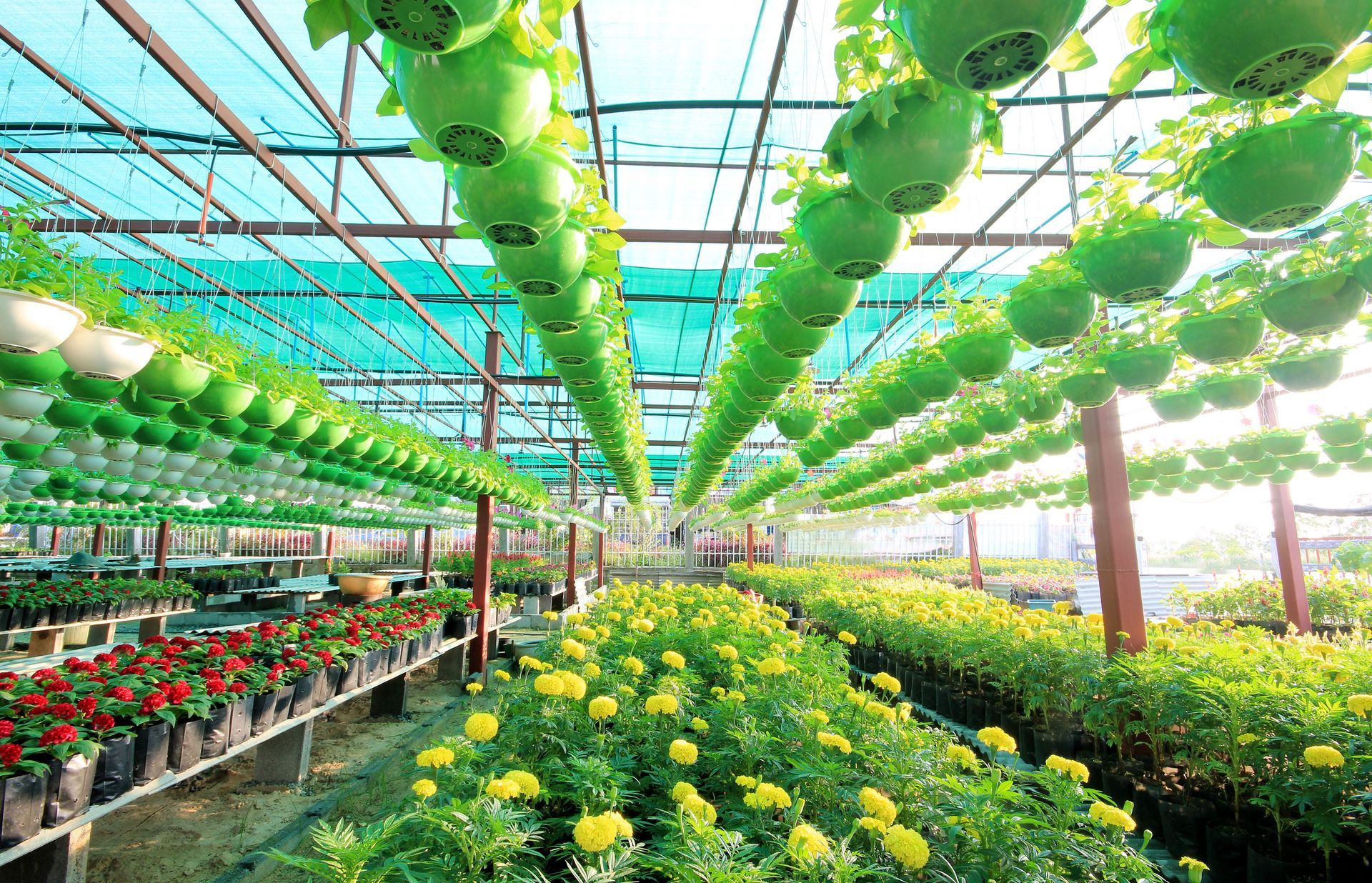
Light management is especially useful when growing multiple crops with different requirements. Some plants thrive under intense illumination, while others perform better with filtered light. By organizing growing zones and adjusting shading or supplemental lighting, producers can create suitable environments for a broader range of plants within the same operation.
Supporting Photosynthesis Through Carbon Dioxide Management
Carbon dioxide is essential to photosynthesis, and carefully managed concentrations can support plant growth in controlled environments. Plants absorb carbon dioxide and use light energy to produce carbohydrates needed for development. In certain commercial operations, growers may manage carbon dioxide alongside temperature, lighting, and ventilation to create favorable conditions for productive growth.
Effective management requires coordination because environmental factors influence one another. Ventilation that lowers temperature, for example, can also change carbon dioxide concentrations. Growers therefore need to consider the entire growing environment rather than treating individual variables independently. Automated monitoring technology can help identify changing conditions and support more precise decisions.
When used appropriately, environmental management can help plants develop efficiently and reach marketable stages on predictable schedules. That consistency is valuable for operations supplying retailers, landscapers, food markets, and other customers that depend on dependable availability.
Extending Production Beyond Traditional Seasons
One of the most significant advantages of protected cultivation is the opportunity to extend growing periods. Outdoor production is often limited by frost, extreme heat, storms, or short regional growing seasons. A greenhouse nursery can reduce exposure to these conditions, allowing cultivation to begin earlier in spring, continue later into fall, or operate during portions of winter.
Season extension can create economic advantages by helping growers maintain more consistent production and sales schedules. Instead of relying entirely on a narrow seasonal window, businesses may be able to stagger planting and harvesting throughout the year. Customers can benefit from improved availability of plants and produce during periods when outdoor supplies may otherwise be limited. According to Grand View Research, cultivating fruits, vegetables, and herbs was the primary crop category for these facilities, responsible for a revenue % of over 57.0 in 2025. This substantial share highlights the important role controlled growing environments can play in supporting consistent production of edible crops across changing seasons.
Protected environments also make it possible to cultivate non-native varieties that require conditions different from those available outdoors. This flexibility can increase plant diversity and give growers opportunities to serve specialty markets. Botanical collections, ornamental plants, herbs, vegetables, and uncommon varieties can all benefit from carefully maintained microclimates.
Reducing Exposure to Pests and Diseases
The physical structure of a greenhouse creates an important barrier between plants and many external threats. Walls, coverings, screens, and controlled entry points can reduce exposure to insects, wildlife, windblown pathogens, and damaging weather. Although protected cultivation does not eliminate pest problems, it gives growers more opportunities to prevent and contain them.
Routine monitoring remains essential because pests that enter an enclosed growing area may spread rapidly if they are not identified. Growers can inspect leaves, stems, soil, and growing media regularly for signs of damage or disease. Sticky traps, environmental sensors, sanitation procedures, and organized plant spacing can also support early detection and prevention.
Because conditions can be closely monitored, a greenhouse nursery can support integrated pest management strategies that emphasize prevention and targeted intervention. Growers can combine physical barriers, sanitation, monitoring, biological controls, and carefully selected treatments instead of depending exclusively on routine pesticide applications.
Improving Water Efficiency Through Precise Irrigation
Water management is another major advantage of controlled cultivation. Outdoor irrigation can be affected by wind, evaporation, uneven soil conditions, and runoff. Within a greenhouse nursery, growers can use targeted systems that deliver water according to plant requirements while limiting unnecessary losses.
Drip irrigation and other precision methods direct moisture toward root zones rather than broadly watering entire growing areas. Sensors can measure moisture conditions and help determine when irrigation is actually necessary. Automated systems may further improve consistency by controlling watering duration and frequency according to established parameters.
Efficient irrigation supports both plant health and resource conservation. Overwatering can contribute to root problems, nutrient loss, and excessive humidity, while insufficient watering can slow development and cause stress. Precise delivery helps growers maintain a more appropriate balance and can reduce the amount of water required for production.
Promoting Sustainable Horticultural Practices
Sustainability in horticulture involves producing healthy plants while using water, energy, growing media, fertilizers, and other resources responsibly. Greenhouses provide tools that can help growers measure and control many of these inputs. Precision irrigation, environmental sensors, efficient lighting, biological pest controls, and carefully planned production schedules can reduce waste while supporting reliable output.
A greenhouse nursery can also reduce losses associated with severe weather and unpredictable outdoor conditions. Protecting plants from hail, frost, excessive rainfall, and damaging winds means fewer resources may be invested in crops that ultimately fail. Longer production windows can further help growers make better use of infrastructure, equipment, and labor throughout the year.
As agricultural technology continues to advance, protected cultivation is likely to become even more efficient. Automation, improved coverings, renewable energy integration, water recirculation, and sophisticated environmental monitoring can help growers refine their operations. Combining these technologies with responsible management creates opportunities to improve productivity without overlooking long-term resource conservation.
Greenhouse technology demonstrates how thoughtful environmental management can improve plant production while addressing efficiency and sustainability. As growers continue adopting precision systems and innovative practices, protected cultivation can help meet increasing demand for healthy plants and fresh produce while making responsible use of water, energy, space, and other essential resources. Contact our team at Wilcox Lawn & Landscaping today and learn more about our greenhouse nursery services.