November 25, 2026
Cultivating a colorful backyard landscape is a rewarding pursuit, yet unpredictable weather and regional climate limits often challenge homeowners who want thriving outdoor spaces. Spring cold snaps, summer heatwaves, hungry wildlife, and airborne fungal spores can hinder young plantings before they establish roots. Rather than starting fragile seeds in exposed soil, gardeners can source robust nursery stock raised inside controlled environments. Modern greenhouses nurture plants under ideal light, moisture, and airflow before they reach your yard, giving homeowners resilient starts that elevate curb appeal from early spring through late autumn.
Homeowners across South Central Michigan recognize how sourcing cultivated nursery stock leads to healthier garden beds, stronger root establishment, and smoother landscape installations. This local preference reflects a worldwide shift toward protected plant production, as the global greenhouse market is projected to expand from USD 37357.58 million in 2026 to USD 42359.76 million in 2027, according to Industryresearch.biz. Whether you are planning custom stone walkways, patio planters, or full landscape renovations, starting with nursery-grown flora gives outdoor spaces a dependable foundation.
1. Regulate Temperatures and Microclimates
Climate stability serves as the foundation for healthy plant metabolism and steady cellular development. When outdoor foliage experiences thermal spikes during the afternoon followed by near-freezing chills overnight, young plants divert energy away from leaf and flower production just to survive. Inside commercial greenhouses, growers regulate temperatures and microclimates with accuracy through insulated glazing, thermal mass storage, and strategic ventilation. This atmospheric balance removes environmental stress during early growth stages so plants arrive at your property operating at peak photosynthetic efficiency.
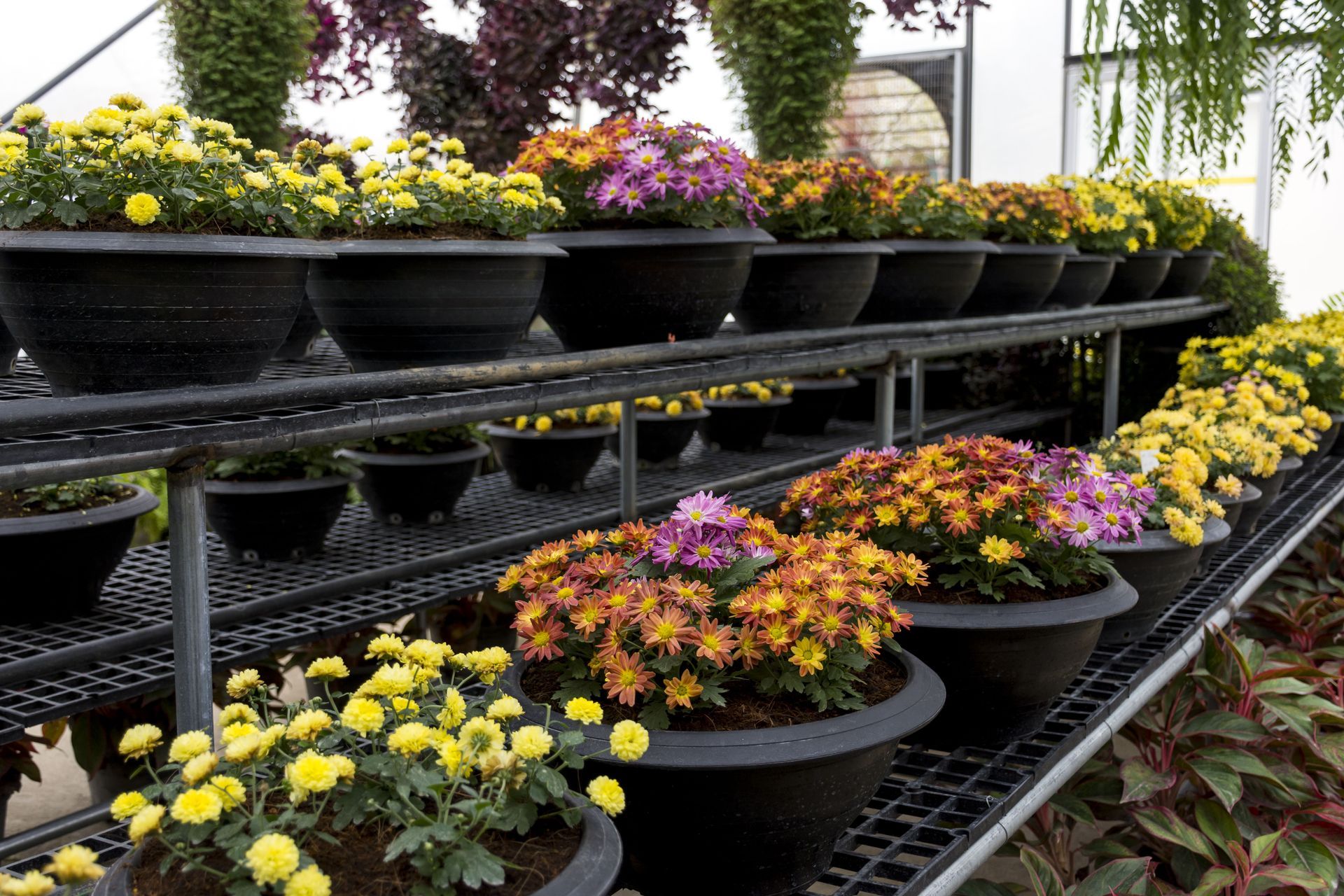
In regions where brisk April mornings dip near freezing while afternoon sunshine warms covered growing bays, polycarbonate panels trap solar radiation to maintain a steady environment for tomatoes, annuals, and tropical foliage. During July, hinged roof vents, louvered side windows, and woven shade cloths prevent heat buildup by circulating fresh air across benches. Horticultural staff at Wilcox Lawn & Landscaping also tailor distinct growing zones across our facility, keeping moisture-craving ferns near misting lines while placing Mediterranean herbs like rosemary and lavender on drier, brighter tables.
2. Extend Seasons and Harvests
Traditional outdoor gardening is governed by regional frost dates, leaving homeowners with a narrow window for planting and fresh yields. Covered nursery structures break free from calendar limits by capturing low-angle winter sunlight early in the year and retaining daytime warmth into autumn. By starting crops early under glass, greenhouses allow local gardeners to extend seasons and harvests far beyond what direct outdoor sowing could support. Sourcing mature starts means enjoying lush greenery and homegrown produce weeks sooner than neighbors who wait for warm soil to plant seeds.
In northern states where late May frosts threaten tender outdoor plantings, our growing team sows cold-hardy greens like spinach, kale, and radishes in late winter while starting pepper and marigold trays ahead of outdoor planting dates. By the time spring soil warms enough for backyard beds, homeowners can pick up vigorous, budding plants ready for garden installation. This head start ensures your kitchen table, patio planters, and landscape borders remain vibrant across Michigan seasons.
3. Protect Seedlings and Perennials
Young germinated plants and overwintering garden staples remain vulnerable when exposed to raw outdoor elements during early development. Driving rainstorms, pelting hail, harsh winter winds, and freeze-thaw cycles can snap delicate stems or heave shallow root systems before they establish strength. Dedicated greenhouses provide a sheltered sanctuary designed to protect seedlings and perennials from physical weather damage and temperature swings. Sourcing stock raised inside a buffered nursery environment spares homeowners the frustration of watching fragile plantings fail after a spring storm.
Sprouted petunias, zinnias, and heirloom vegetable starts possess thin leaves that bruise under spring downpours, yet they flourish undisturbed on calm nursery benches where watering is gentle and controlled. Likewise, prized landscape varieties such as tender hydrangeas, hardy hibiscus, and potted hostas receive sheltered winter care to avoid crown rot and windburn. When you choose these rested specimens from Wilcox Lawn & Landscaping in late spring, they transition into exterior beds with vigorous foliage ready to thrive.
4. Block Pests and Diseases
Open outdoor gardens face constant pressure from foraging wildlife, airborne fungal spores, and destructive insect migrations that can weaken young plants overnight. Wet foliage from unpredictable rain showers also creates breeding grounds for pathogens that spread from leaf to leaf across neighboring plantings. By maintaining a clean physical barrier around developing inventory, greenhouses block pests and diseases before they compromise plant vitality. Purchasing inspected nursery stock ensures you bring vibrant, pathogen-free greenery into your yard rather than introducing hidden garden problems.
Fine mesh screening over intake vents stops aphids, whiteflies, cabbage moths, and Japanese beetles from landing on tender growth, while enclosed walls and latched doors keep hungry deer, rabbits, and chipmunks away from hostas and strawberries. Because overhead rain is replaced by drip irrigation at the soil line, common fungal issues such as powdery mildew, black spot on roses, and early blight on tomatoes gain little foothold. Our growing team also uses beneficial predatory insects like ladybugs for biological control during warmer months.
5. Strengthen Roots and Blooms
A clear biological connection exists between below-ground vigor and the brilliance of an above-ground floral display. When plants receive diffused sunlight, balanced hydration, and tailored soil nutrition without fighting environmental stress, they channel energy into building dense underground networks that fuel rich coloration. Inside commercial greenhouses, optimized growing conditions work together to strengthen roots and blooms so every botanical specimen reaches its genetic potential. Plants nurtured in this supportive setting develop thicker stems, deeper chlorophyll production, and abundant flower clusters compared to stressed outdoor starts.
Growing crops in deep propagation cells filled with well-draining, compost-rich potting mixes encourages fibrous white anchor systems to branch outward rather than circling inside trays. Meanwhile, diffused glazing prevents midday petal scorch while prompting flowering favorites like zonal geraniums, calibrachoas, coneflowers, and hanging fuchsia baskets to set vibrant buds across every stem. Once our crew or your family plants these robust specimens into backyard borders, mulched beds, or patio urns, they establish fast in native soil and deliver saturated color all summer long.
6. Nurture Annuals and Shrubs
Designing a memorable landscape requires blending seasonal color with structural woody plants that anchor your property year after year. Caring for both categories of flora calls for adaptable routines that cater to distinct hydration, pruning, and light preferences under the same roof. Full-service greenhouses make it simple to nurture annuals and shrubs side by side, giving homeowners wide variety and creative freedom when planning landscape renovations. Sourcing groomed plant varieties from a local grower ensures every addition to your yard arrives in peak condition.
Along sunny upper benches, bright impatiens, colorful coleus, and trailing sweet potato vines are pinched back and fertilized on a regular schedule so they spill over patio containers once warm weather arrives. Cooler floor spaces accommodate potted boxwoods, dwarf lilacs, viburnums, and flowering spirea, allowing woody stems to harden off and develop balanced branching before softscape installation. Pairing these nursery-grown selections with our mulching, tree and shrub care, and garden design services transforms yards into cohesive outdoor sanctuaries.
Bringing together climate control, extended growing calendars, and proactive plant protection makes sourcing nursery-grown flora dependable for elevating outdoor beauty. Rather than struggling to nurse fragile seeds through unpredictable spring weather, homeowners can rely on local greenhouses to supply vibrant plants suited for Michigan's climate. From foundation plantings and garden renovations to seasonal cleanups and irrigation support, pairing healthy greenery with exterior care keeps yards thriving.
When you are ready to fill your flower beds, patio planters, and landscape borders with annuals, perennials, shrubs, and nutrient-rich soils, contact our team at Wilcox Lawn & Landscaping, so we can help you create a thriving outdoor space.